
Komodo Dragon Island National Park
The Komodo dragon (Varanus komodoensis) is the world’s largest living lizard, endemic to5 Indonesian islands in Komodo National Park. Growing up to 3 meters (10 ft) and 150 kg, these endangered apex predators are famous for their venomous bite, keen sense of smell, and ability to hunt prey as large as water buffalo.
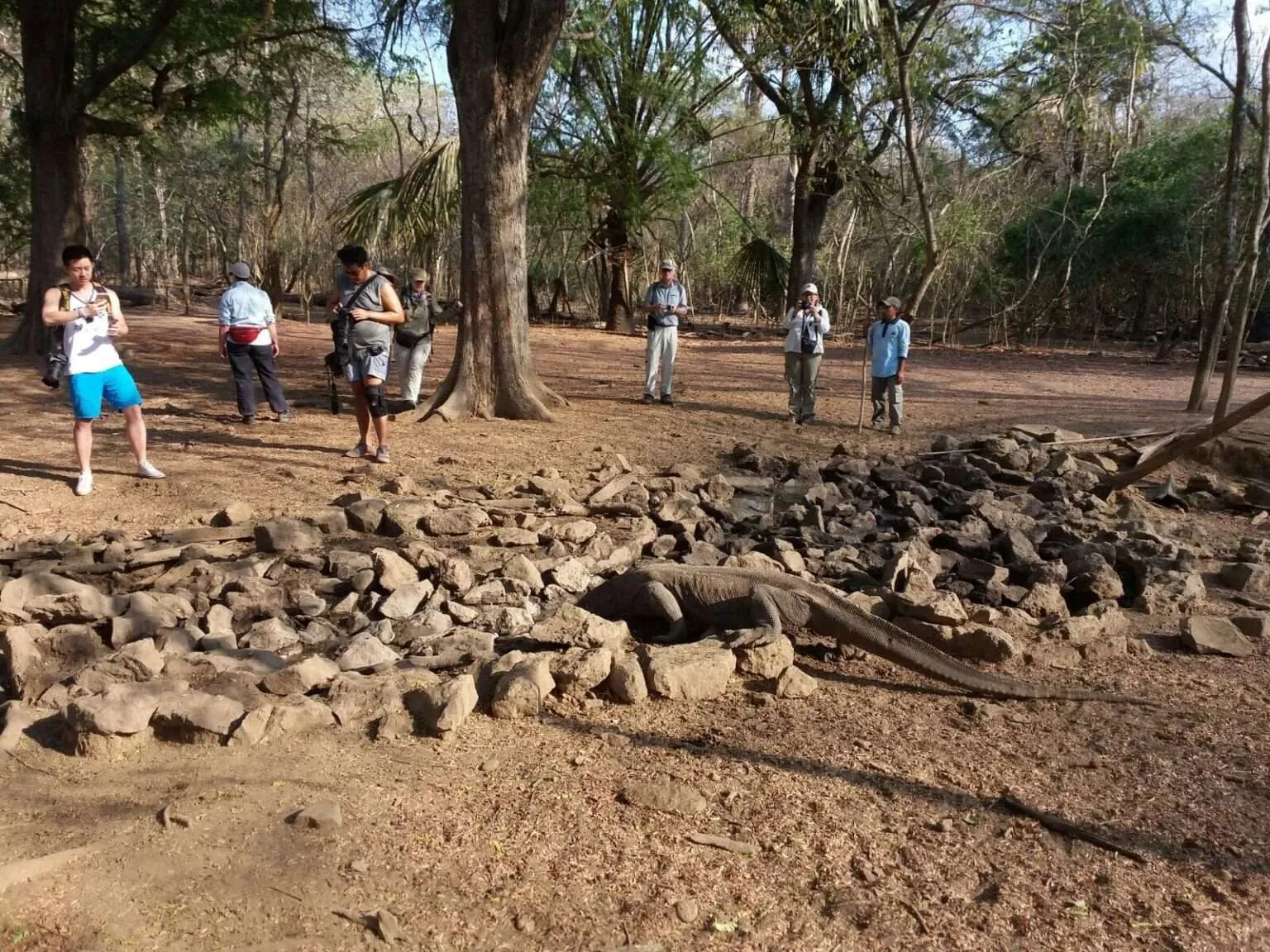
Physical Characteristics Komodo Dragon Animals
- Size: Males reach up to 10 feet (3 meters) and weigh over 300 pounds (136 kg), though150 lbs is more typical.
- Appearance: They have rough, armored scales, strong limbs, and powerful, muscular tails.
- Sensory Organs: They have poor eyesigh, sense of smell, using their long, forked yellow tongues to detect carrion or prey from up to 5 miles away.
Habitat and Range
- Location: Found only in Indonesia, primarily on Komodo, Rinca, Flores, Gili Dasami, and Gili Motang islands.
- Environment: They thrive in tropical, dry forests, savannas, and low-lying coastal areas.

Diet and Hunting Behavior
- Apex Predators: As carnivores, they dominate their ecosystem, eating deer, pigs, water buffalo, and carrion.
- Hunting Strategy: predators and great speed
- Venomous Bite: Their saliva contains venom that lowers blood pressure, causes massive blood loss, and induces shock, enabling them to bring down large prey.
- Consumption: They can eat up to 80% of their body weight in one feeding.
Reproduction and Life Cycle komodo dragon
- Breeding: Mating occurs between May and August.
- Parthenogenesis: Females can reproduce without a male, a process known as asexual reproduction or parthenogenesis.
- Young: Eggs hatch after 8-9 months. Young dragons (juveniles) are arboreal, spending their first few years in trees to avoid being eaten by adults.
Conservation Status Komodo
- Endangered: Listed as endangered by the IUCN Red List (updated from vulnerable in 2021).
- Threats: Habitat climate change (rising sea levels) and human activity is shrinking their habitat.
- Protection: They are protected within the Komodo National Park, a UNESCO World Heritage Site.
Where the Komodo dragon national park
The Komodo dragon is native to several islands in southeastern Indonesia, Lesser Sunda Islands chain. They primarily live within Komodo National Park, which is nestled between the larger islands of Sumbawa and Flores.
Where Komodo Dragon Animals Location
Komodo Island is located in indonesia, It sits between the larger islands of Sumbawa to the west and Flores to the east, acting as a part of the protected Komodo National Park
Primary Habitats komodo dragon animals
- Komodo Island: The largest island in the park and the primary sanctuary for the dragons.
- Rinca Island: Known for having a higher density of dragons, making sightings very likely for visitors.
- Gili Motang & Gili Dasami: Two smaller, more remote islands within the national park, resident populations.
- Flores Island: Dragons can found in coastal regions on the western and northern parts Wae Wuul.
What Makes Komodo Dragon Island Special?
Lying at the intersection of beauty and biodiversity, Komodo Dragon Island. Its main draw is the remarkable Komodo dragon—the world’s largest living lizard—known for its impressive size and captivating, prehistoric presence.
- Wild, panoramic beaches like Pink Beach, famed for its rose-tinted sand.
- Towering hills and panoramic viewpoints at Padar Island.
- Coral-rich waters supporting manta rays, turtles, and a myriad of tropical fish.
- Authentic local culture in Komodo Village.
- A delicate ecosystem that combines arid savannahs, lush forests, and mangroves.
See Komodo Dragons Up Close
Join ranger-guided treks across Komodo Island or neighboring Rinca. Rangers prioritize visitor safety & sharing fascinating facts about the dragons’ behaviors. Visitors get to watch these powerful reptiles roaming free, basking in the sun, and hunting their prey.
The experience includes explanations about their evolutionary origins, territorial instincts, and dramatic ambush hunting style. The trek may range from easy paths near the park HQ to more challenging forest trails, all under careful supervision.
Your guide will point out nesting sites, recent dragon tracks, and may even demonstrate how Komodo dragons detect scent trails with their forked tongues.
Visit Komodo Village
Komodo Village, located on Komodo Dragon Island, is home to the Ata Modo people, who have lived on these islands for generations.
Travelers gain a sense of the community’s daily rhythm and see how sustainable fishing and agriculture coexist with national park conservation.
It’s a meaningful cultural exchange, deepening appreciation for the island’s heritage and its legendary bond with the Komodo dragon—regarded by locals as a spiritual sibling. Guests are often welcomed with warmth and may try local culinary specialties prepared from fresh seafood, offering an authentic taste of life on Komodo Dragon Island.
Best Time to Visit Komodo Island
- April–June: Lush landscapes, quieter trails, and vibrant flora.
- July–August: ideal weather, lively parks (best book early).
- September–October: fewer crowds; abundant marine life.
- January–March: Monsoon season—not recommended rough sea and rain.